
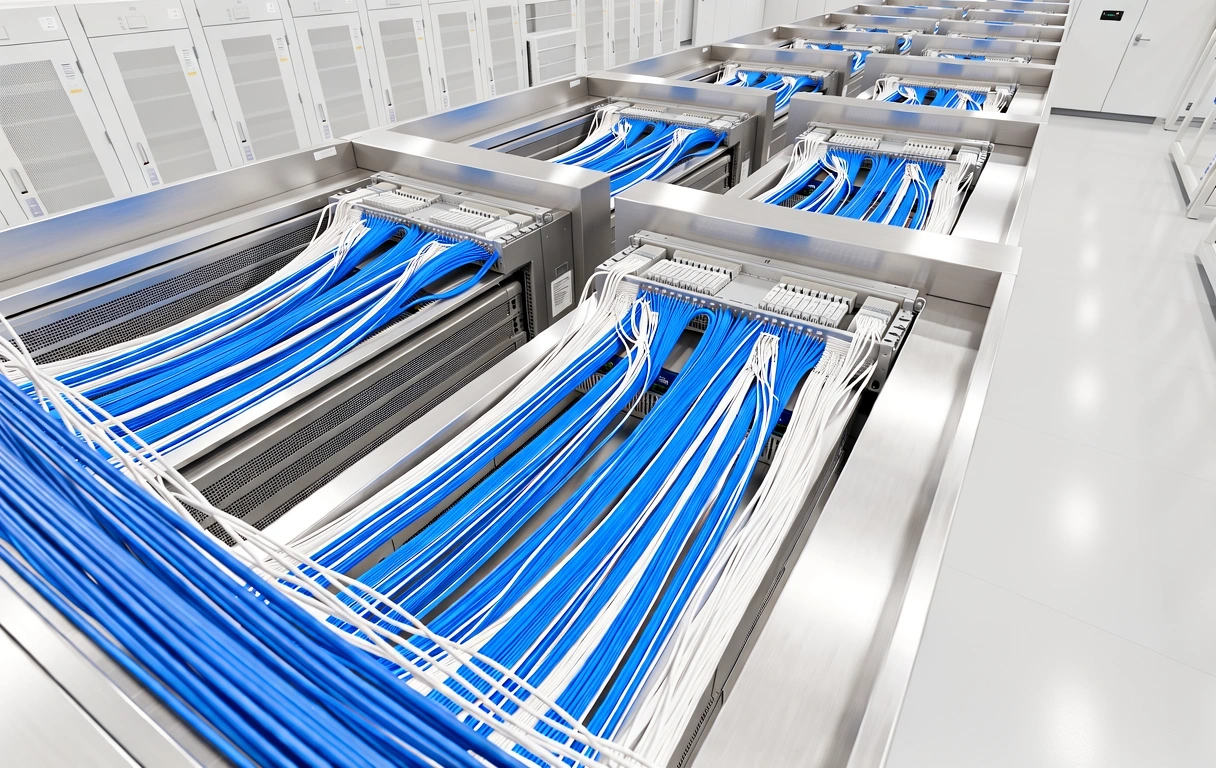
High-Performance Trading Architectures
At Incheon Quant Labs, we move beyond simple signals. Our research focuses on the structural integrity of execution. We build proprietary frameworks that handle the friction of global markets with mathematical precision and low-latency stability.
The Arbitrage & Mean Reversion Engine
Our primary **trading** engine utilizes a multi-threaded C++ core designed to identify statistical anomalies in cross-exchange spreads. By neutralizing directional risk, this architecture thrives in volatile environments where price discovery happens at different speeds across regions.
- Sub-10ms execution loop for regional liquidity gaps.
- Automated circuit breakers triggered by volatility spikes.
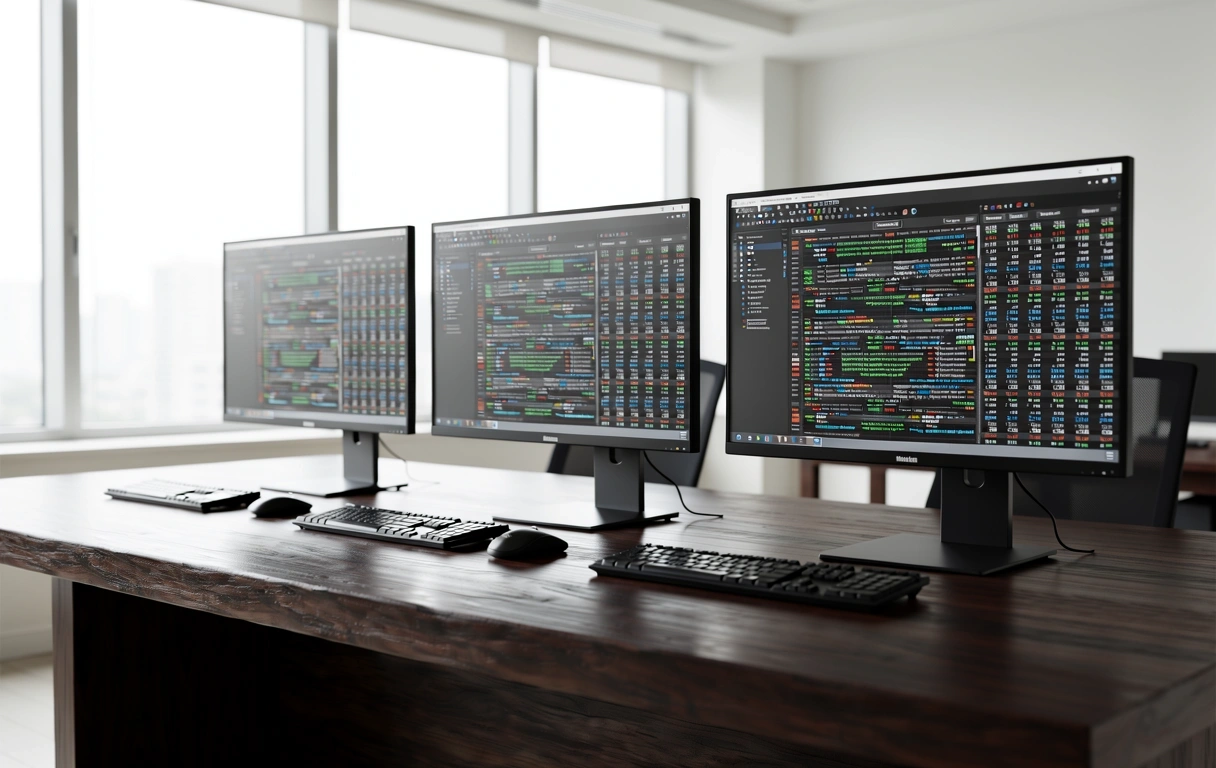
Statistical Integrity
We don't chase trends. This system relies on the Law of Large Numbers. Every trade is a data point in a broader probability distribution, ensuring that quant labs-grade rigor is applied to every entry and exit point.
Adaptive Momentum Frameworks
Traditional trend-following often fails during "choppy" market regimes. Our adaptive models use machine learning classifiers to determine market state before deploying capital.
Regime Detection Unit
The RDU analyzes realized volatility and volume profiles to switch between aggressive momentum and defensive capital preservation modes. This prevents "drawdown fatigue" during long periods of sideways movement.
Fractal Positioning
Rather than all-in entries, our fractal logic scales into positions across multiple timeframes. This reduces slippage and allows for more robust exit strategies when the primary trend begins to weaken.
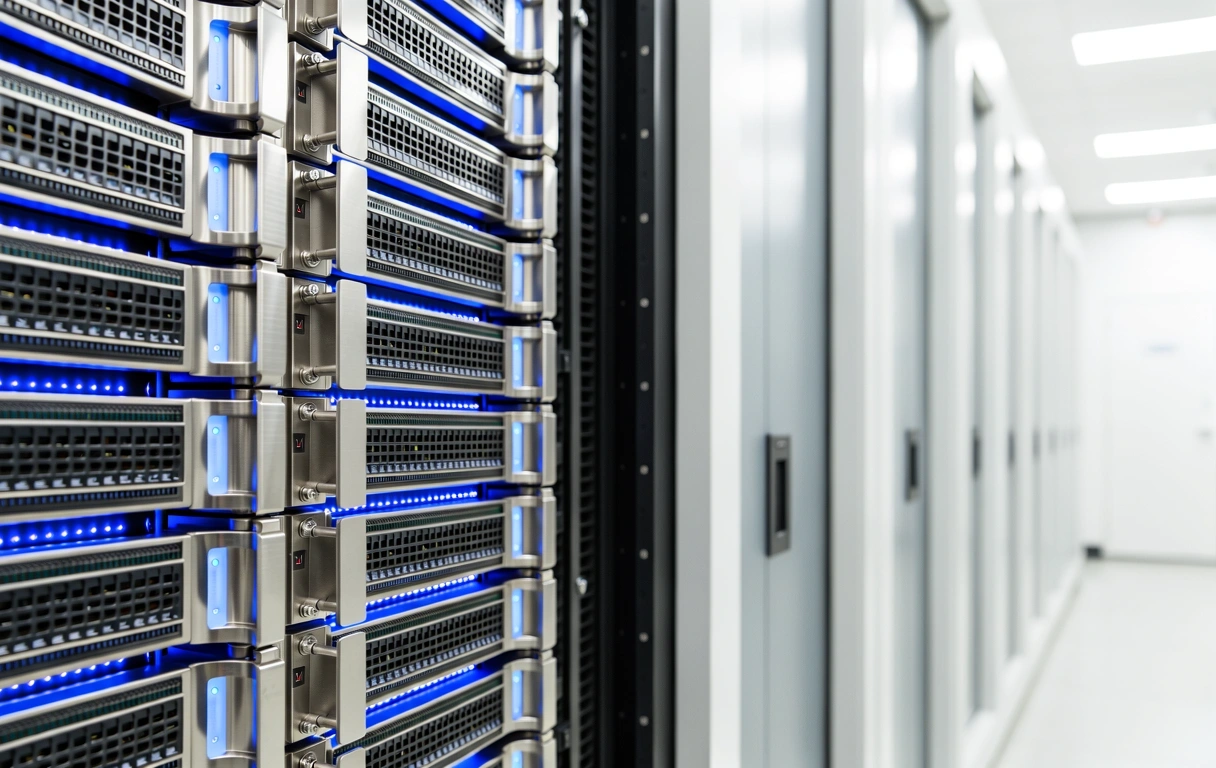
Infrastructure as a Competitive Advantage
Our quant labs in Incheon are equipped with dedicated fiber links to major financial hubs. We don't rely on generic cloud providers; we operate our own hardware stacks to minimize jitter and ensure deterministic execution.
Backtesting Fidelity
Simulation engines account for order book depth, exchange fees, and historical slippage models.
Direct Market Access
Proprietary GATEWAY protocols designed for straight-through-processing across global desks.
The Safety Margin
VaR Models
Real-time Value-at-Risk calculations that cap exposure based on historical volatility intervals.
Failover Logic
Secondary and tertiary servers located in distinct power grids for 99.99% uptime during market hours.
Data Scrubbing
Automated ingestion pipelines that clean "garbage" ticks and anomalies before they reach the signal core.
Build or Integrate?
Whether you are looking to benchmark your current trading strategy or require a full-stack algorithmic deployment from Incheon Quant Labs, our specialists are available for technical consultation.